April 26, 2025
7 Effective Ways to Reduce the Carbon Footprint in HVAC Systems
Energy efficiency is no longer just about savings; it is a necessity for the future of our planet. Discover 7 effective ways to reduce the carbon footprint in HVAC systems with AXVORN’s engineering approach.

1. Choose Energy-Efficient Equipment
The first step in reducing the carbon footprint is selecting the right equipment.
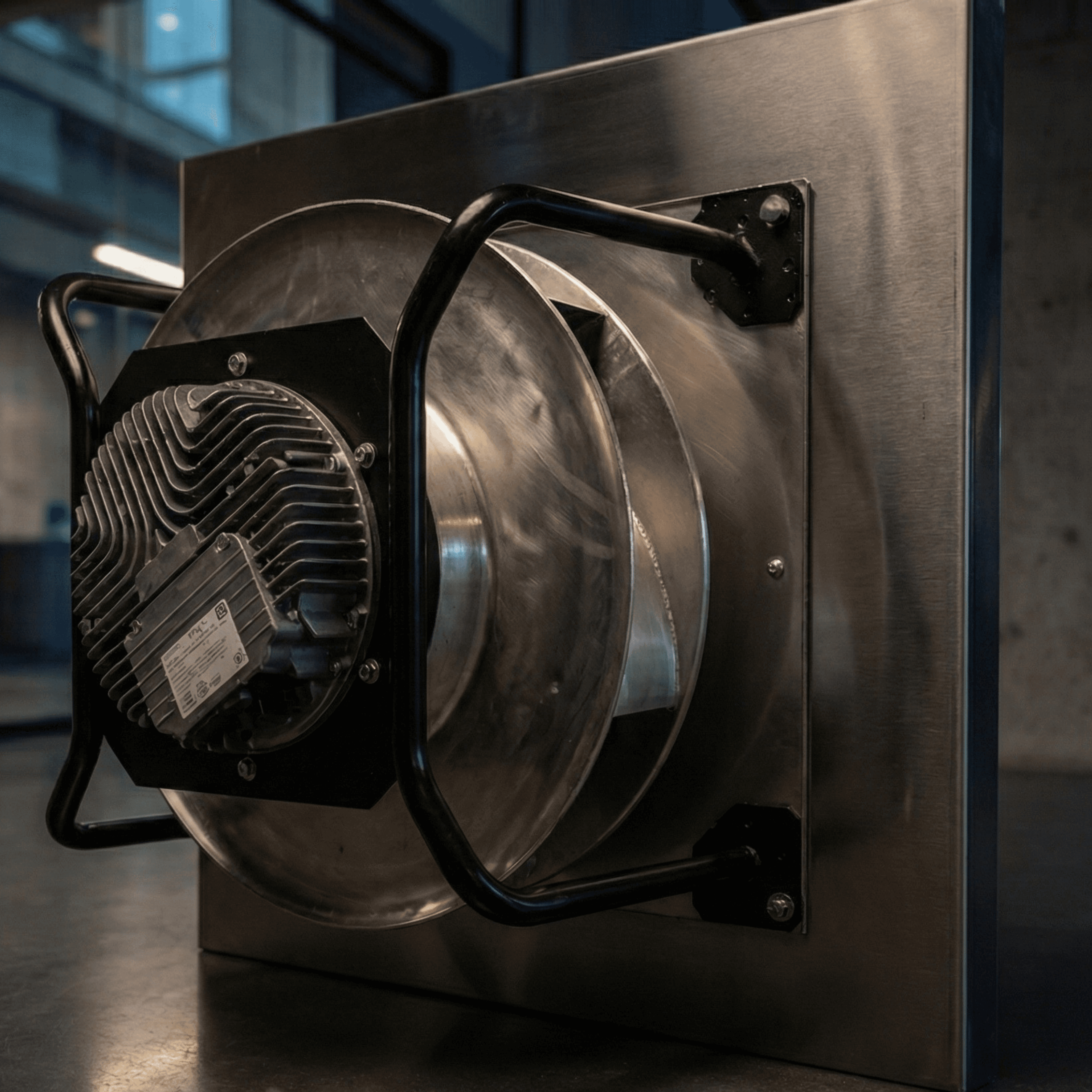
EC motor fans, inverter-controlled compressors, and high-efficiency heat exchangers directly reduce energy consumption.
AXVORN's entire product range is designed with low-power-consumption components — which provides measurable savings over the system's lifetime.
2. Integrate Heat Recovery (HR) Systems
As exhaust air is expelled, the energy within it is also lost.
HR systems recover this energy to preheat or precool fresh air.
In this way, the system load is reduced and energy consumption drops by up to 25%.
Meaning less carbon, more efficiency.
3. Do Not Overestimate Capacity – Calculate Correctly
Excess capacity means excess consumption.
Incorrectly sized HVAC systems waste unnecessary energy and increase CO₂ emissions.
AXVORN engineers solve this problem fundamentally by calculating the most accurate capacity in projects using load analysis and airflow simulations.
4. Optimize Operation with Smart Control Systems
Automation systems are the hidden superpower of HVACs.
Sensors detect ambient density and temperature changes, running the system only as much as needed.
This prevents energy loss and minimizes the carbon impact of the system.
5. Regular Maintenance Means Low Emissions
Unmaintained systems consume more energy.
Dirty filters, pressure losses, and unbalanced fan speeds create unnecessary load.
AXVORN's periodic maintenance plans both extend system lifetime and keep carbon emissions low.
6. Design According to the Local Climate
Every building must be designed to be compatible with the climate it is in.
The same HVAC system will not perform the same in Dubai as it does in Istanbul.
AXVORN analyzes project-based climate data to create regional energy strategies.
The result: unnecessary power usage is eliminated.
7. Embed the Culture of Sustainability into the DNA of the Project
Energy efficiency is not just a technology, it is an engineering culture.
AXVORN's approach is to deliver not just equipment, but an environmentally friendly system philosophy.
In every project, carbon reduction targets are integrated into the technical specifications — meaning sustainability is planned from the very beginning.
Conclusion: Reduce Carbon, Shape the Future
HVAC systems represent an invisible carbon chain.
But with the right engineering, it is possible to break this chain.
At AXVORN, we work with the goal of one ton less carbon with every project.
Energy efficiency is not just about cost;
it is about leaving room to breathe for future generations.