April 26, 2025
ATEX Fan Selection Guide: Engineering Standards in Explosive Atmospheres
How to select ATEX fans for industrial facilities? Zone classifications, material standards, and engineering solutions compliant with the 2014/34/EU directive.
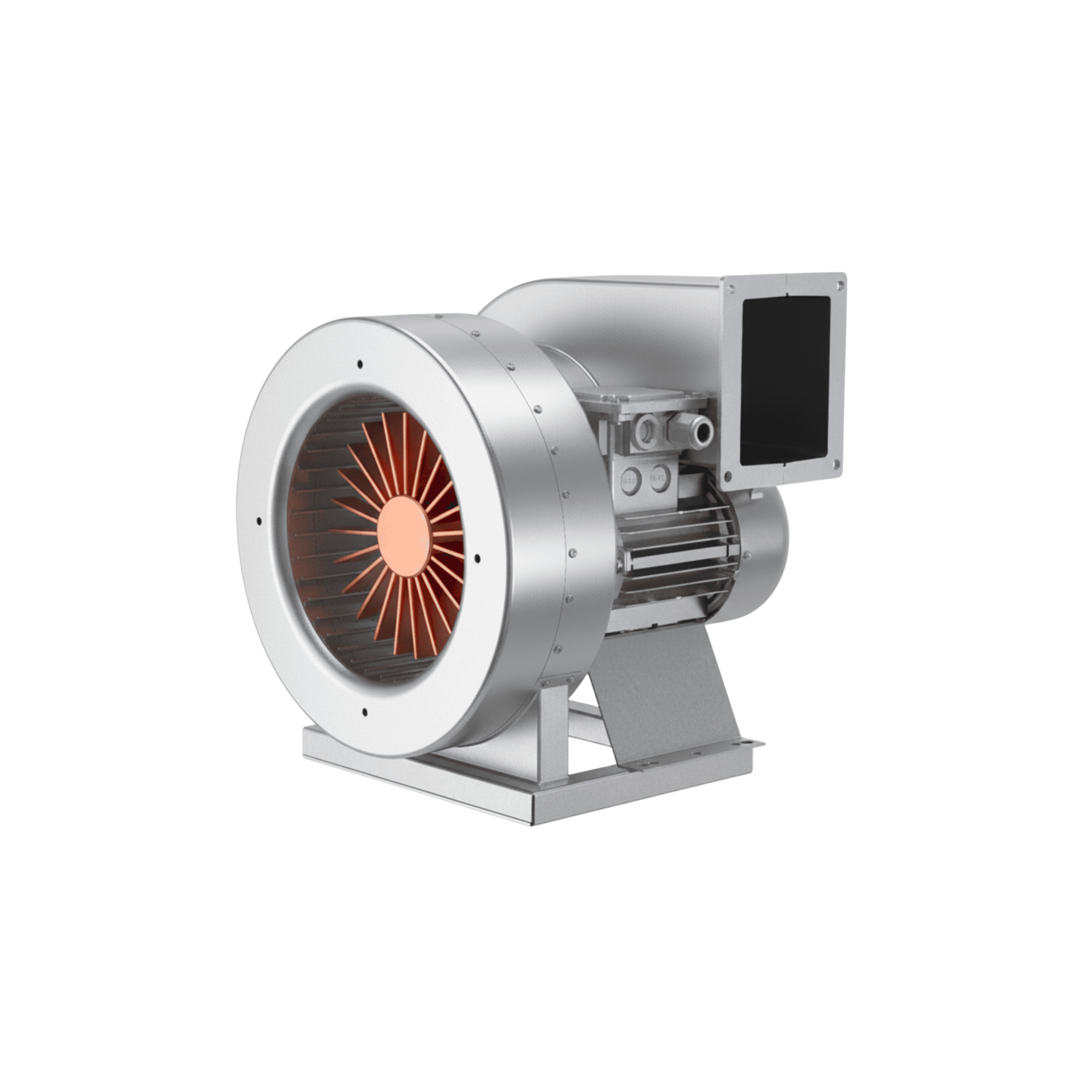
ATEX Fan Design and Engineering Criteria
The management of explosive atmospheres caused by dust, gas, or vapor in industrial facilities is not just a safety choice, but a legal obligation. ATEX directives mandate that fans used in these risky areas must be mechanically and electrically non-sparking conformant.
As Axvorn Engineering, we act with a zero-defect principle when designing ventilation systems.
1. Zone Classification and Equipment Compliance
The first step in ATEX fan selection is to determine the risk level of the environment.
Gas and Vapor Environments (G)
Zone 0: Areas where explosive gas is continuously present (fans are generally installed outside this area).
Zone 1: Areas where an explosive atmosphere is likely to occur under normal operating conditions.
Zone 2: Areas where an explosive atmosphere is unlikely to occur and persists for a short time only.
Dust Environments (D)
Zone 20, 21, and 22: Fans developed for areas with combustible dust must be selected according to sealing (IP rating) and surface temperature limits.
2. Engineering Anatomy of Spark-Proof Design
In explosive environments, a single spark caused by mechanical friction can lead to disaster.
Material Combinations: Brass, aluminum, or special alloy stainless steels are used to prevent the risk of contact between the impeller and the housing.
Antistatic Structure: Carbon-reinforced polymers that prevent static electricity accumulation are preferred for plastic parts.
Motor Protection: EEx d (Flameproof), EEx e (Increased safety), or EEx n motor options are integrated according to the risk analysis of the zone.
3. Critical Parameters in ATEX Fan Selection
When selecting a fan in an engineering project, it is not enough to look only at flow rate ($m^3/h$) and pressure ($Pa$) values. You must query these three technical data sets:
Temperature Class (T1-T6): The outer surface temperature of the fan must remain below the ignition temperature of the gas in the environment.
Gas Group (IIA, IIB, IIC): The use of IIC class equipment is critical in environments with high-risk gases such as hydrogen.
Sealing Solutions: Labyrinth seals or special sealing elements used at shaft outlets prevent dangerous gas from leaking into the motor section.
Axvorn Engineering provides end-to-end consultancy from fan selection suitable for your facility's ATEX zones to system integration. Contact our technical team to minimize your risks and ensure operational excellence.
Get a Free Technical Evaluation for Your Project Within 48 Hours